
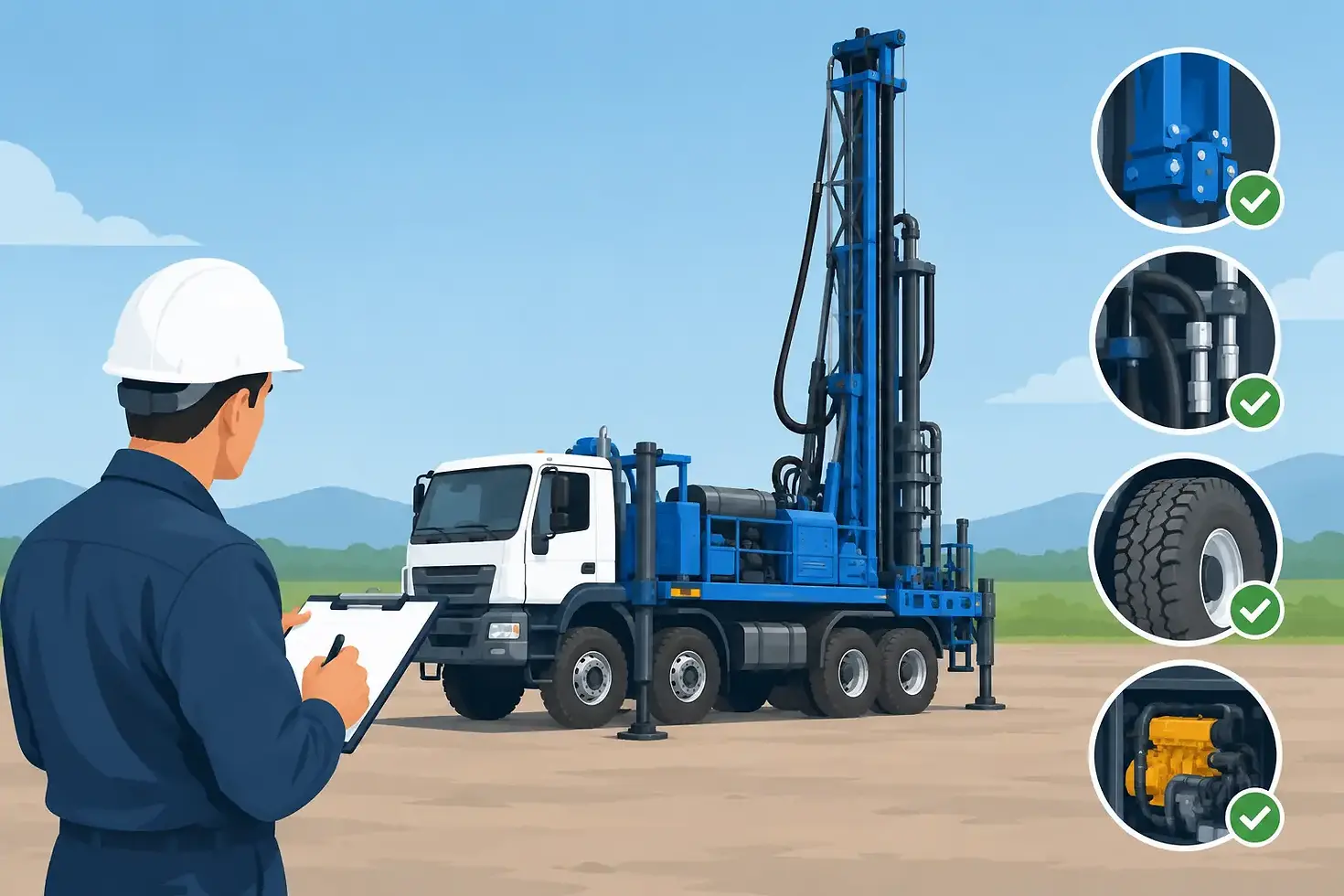
Top Signs of Quality Used Rigs Before You Buy
A used rig can be a fast, cost-effective route to added field capacity, but only if its condition matches the work you need it to perform. The top signs of quality used rigs are not found in a single photo, hour-meter reading, or asking price. They show up in the equipment’s records, structural condition, component compatibility, maintenance history, and the willingness of the seller to support a serious inspection.
For workover contractors, operators, and procurement teams, the objective is straightforward: secure equipment that can be deployed safely without turning a capital purchase into an extended repair project. A disciplined evaluation protects uptime, budget, and crew safety.
Start With the Rig’s Intended Job
A quality used rig is only quality in relation to its intended application. Before reviewing available units, define the operating requirements: required hook load, mast height, depth range, tubing and rod handling needs, anticipated well conditions, roadability, power configuration, and applicable customer or regulatory standards.
A unit that has performed reliably in shallow conventional work may not be the right fit for deeper, higher-load programs. Likewise, a drilling-related package may have valuable components but lack the configuration needed for a workover fleet. The best purchase is not necessarily the newest or lowest-hour rig. It is the rig whose verified capabilities align with your field program without costly modification.
Confirm whether the quoted capacity reflects the complete working configuration, not just a component rating. Mast, substructure, blocks, lines, drawworks, carrier, and hydraulic systems must work as a matched load path. A strong individual component does not compensate for limits elsewhere in the system.
Quality Used Rigs Show Their History in the Records
Documentation is one of the clearest indicators of how a rig has been managed. Well-kept maintenance and inspection records suggest that the owner treated the equipment as an operating asset rather than a parked surplus unit. Missing records do not automatically disqualify a rig, but they increase inspection requirements and should affect both pricing and contingency planning.
Ask for the rig book, service history, annual inspections, repair invoices, component manuals, certification records, and any available load-test documentation. Review records for recurring failures, major structural repairs, engine or transmission work, hydraulic rebuilds, and changes to the mast or substructure.
Pay close attention to gaps. A rig may have been idle for extended periods, moved between owners, or maintained by different shops. Idle time can preserve operating hours, but it can also create problems with seals, hoses, electrical connections, batteries, tires, fluid contamination, and corrosion. Low hours are useful context, not proof of condition.
Inspect the Structural Load Path Closely
The mast and substructure carry the consequences of poor maintenance, improper repairs, and overload events. They deserve a detailed inspection by a qualified person familiar with the rig type and its operating loads.
Look for cracked welds, bent members, corrosion around pins and braces, elongated holes, damaged sheaves, missing fasteners, and evidence of unauthorized modifications. Fresh paint can improve appearance, but it can also conceal corrosion, weld repairs, or old damage. Areas around high-stress connections, crown assemblies, mast pins, walking-beam supports, and substructure joints should receive particular attention.
A quality used rig should have clear identification and legible capacity information where applicable. Verify that mast and substructure serial numbers, specifications, and documentation match the unit being inspected. If structural repairs have been made, request details on who performed the work, what was repaired, and whether inspection or testing followed.
Surface rust is common in oilfield equipment and is not always a concern. Deep pitting, compromised members, widespread corrosion beneath coatings, or cracks near critical connections are different matters. Those conditions can turn a favorable purchase price into a major shop expense or remove the rig from consideration entirely.
Evaluate Power, Hydraulics, and Controls Under Operation
Static inspections have limits. Whenever possible, see the rig operate through its normal functions. Start the engine cold, observe exhaust and oil pressure, listen for abnormal noise, and check for fluid leaks as temperatures rise. A clean engine compartment is positive, but operating performance provides the more meaningful evidence.
Run the drawworks, winches, blocks, hydraulic functions, brakes, leveling systems, and other critical equipment through their ranges. Watch for delayed response, pressure loss, vibration, overheating, erratic controls, or excessive drift. Inspect hydraulic hoses, fittings, cylinders, pumps, reservoirs, and filtration systems for leaks, abrasion, damaged fittings, and contaminated fluid.
Electrical systems also deserve more than a quick visual check. Review the condition of wiring harnesses, terminals, batteries, lighting, safety interlocks, alarms, control panels, and emergency shutdown systems. Field repairs are sometimes necessary, but repeated temporary wiring solutions can signal deeper reliability issues.
Confirm the Condition of Major Components
A used rig’s value is often driven by the condition and remaining service life of its major components. The carrier, engine, transmission, drawworks, pumps, blocks, swivel, rotary equipment, blowout prevention package, and handling equipment may each carry meaningful replacement or overhaul cost.
For a mobile unit, inspect the carrier frame, suspension, axles, tires, brakes, steering, driveline, and road-legal equipment. Verify the availability of parts for the engine, transmission, and specialized components. An older unit can still be an excellent asset when it has been maintained properly and parts support remains practical. A newer unit with proprietary or hard-to-source components may create a different kind of risk.
Consider the condition of consumables and supporting equipment as well. Wire rope, belts, hoses, batteries, guards, fire suppression equipment, and safety devices can add up quickly when replacement is required immediately after purchase.
Separate Cosmetic Condition From Field Readiness
Paint, polished wheels, and a clean deck can make a used rig look attractive. They do not establish field readiness. The stronger question is whether the rig can be safely mobilized, rigged up, and put to work with a defined and reasonable preparation scope.
Request a clear list of known deficiencies and distinguish between normal pre-deployment work and major corrective repairs. Normal work may include changing fluids, replacing batteries, updating decals, servicing brakes, and addressing minor leaks. Major work includes structural remediation, drivetrain rebuilds, hydraulic-system replacement, extensive electrical troubleshooting, or unavailable critical components.
The purchase decision should account for the full landed and prepared cost. That includes price, inspection, transport, taxes where applicable, loading, reassembly, repairs, certifications, and the cost of delayed deployment. A lower purchase price is not a savings if the unit misses the work window.
Top Signs of Quality Used Rigs in a Seller’s Process
The seller’s approach can reveal as much as the initial listing. A credible seller or representative should be able to provide accurate specifications, identify known issues, arrange access for inspection, and communicate clearly about ownership, title, location, and included equipment.
Be cautious when specifications are vague, serial numbers cannot be verified, inspection access is restricted without reason, or included components change during the discussion. The goal is not to expect a perfect used rig. It is to make a decision with reliable facts and a realistic repair scope.
A professional transaction process should also clarify what is included with the rig, whether loose equipment is operational, who is responsible for loading, and how the asset will be secured for transport. These details prevent avoidable cost and schedule disputes after funds have changed hands.
Use a Technical Inspection Before Final Commitment
For a high-value rig purchase, independent inspection is not an extra step. It is part of the acquisition process. The inspection should be tailored to the equipment type and intended use, with attention to structural integrity, operating functions, serial-number verification, documentation, major component condition, and safety systems.
If an in-person operating inspection is not possible, recognize the added risk and price accordingly. Remote video can help confirm basic functions, but it cannot replace a close examination of critical welds, pins, sheaves, hoses, fluid condition, and mechanical wear.
Experienced sourcing support can shorten the process by matching specifications to available equipment, identifying credible opportunities, coordinating verification, and helping buyers understand market pricing before they commit. That is particularly valuable when a field schedule cannot wait for a new build.
The right used rig should leave the yard with a defined path to deployment, not a growing list of unanswered questions. Buy the verified condition, the documented capability, and the realistic cost to put the unit to work. That is how used equipment becomes a productive investment rather than an expensive delay.


Comments